How Often Should You Schedule Exterior Cleaning in Yeovil? A Seasonal Guide
Living in Yeovil, we're no strangers to the unpredictable Somerset weather. From the damp winters that roll in from the south coast to the pollen-heavy springs and occasional summer storms, our properties face constant exposure to the elements. Regular exterior cleaning isn't just about keeping up appearances—it's essential maintenance that can save you thousands in costly repairs down the line.
But how often should you actually schedule these services? The answer depends on several factors, including your property type, surrounding environment, and the specific service required. In this comprehensive guide, we'll break down the optimal maintenance schedule for exterior cleaning in Yeovil, covering everything from windows and gutters to driveways and roofs throughout the year.
Understanding Yeovil's Climate and Its Impact on Property Maintenance
Somerset's microclimate presents unique challenges for property owners. Yeovil sits in a transitional zone between the coastal influences of the south coast and the more rural inland areas, creating specific maintenance demands that differ from other parts of the UK.
Our relatively mild winters rarely bring prolonged frost, but the persistent dampness from October through March creates ideal conditions for algae, moss, and lichen growth. Spring typically brings high pollen counts from surrounding agricultural land and woodlands, coating windows and exterior surfaces. Summer, whilst generally pleasant, can deliver sudden heavy downpours that overwhelm neglected guttering systems. Autumn sees an abundance of leaf fall from the mature trees lining many Yeovil streets, particularly in established residential areas.
Understanding these seasonal patterns is crucial for effective exterior cleaning planning. Properties that align their maintenance schedule with Yeovil's weather patterns experience fewer issues, lower long-term costs, and better aesthetic appeal year-round.
Window Cleaning: Maintaining Clarity Year-Round
For residential properties in Yeovil, we recommend professional window cleaning every 4-8 weeks. This frequency ensures your windows remain spotless despite Somerset's frequent drizzle and the agricultural dust that can blow in from surrounding farmland, particularly during harvesting seasons in late summer and autumn.
Commercial premises, particularly those in Yeovil town centre along Middle Street or The Borough, should consider more frequent cleaning—every 2-4 weeks. Customer-facing businesses benefit enormously from pristine windows, as they create positive first impressions and allow maximum natural light into retail spaces, reducing energy costs and creating a more inviting shopping environment.
Properties near busier roads like the A30, A37, or Preston Road may require monthly cleaning due to increased pollution, traffic film, and grime build-up. Similarly, if your home is surrounded by trees—common in areas like Nine Springs, Summerlands, or along the River Yeo—you'll likely need more frequent attention during autumn when sap, pollen, and leaf debris accumulate.
Factors that increase cleaning frequency needs:
- Proximity to main roads and traffic pollution
- Overhanging trees and vegetation
- Coastal influences bringing salt spray (particularly affecting properties in southern Yeovil)
- White or light-coloured window frames that show dirt more readily
- Properties with large expanses of glass or conservatories
Hard water is prevalent throughout Yeovil and Somerset, leaving mineral deposits on glass if rainwater is allowed to dry naturally. Professional window cleaners use purified water systems to prevent these spots, maintaining crystal-clear glass between scheduled cleans.
Gutter Cleaning: Preventing Water Damage and Costly Repairs
Somerset's rainfall means our gutters work particularly hard. Blocked gutters can lead to damp penetration, foundation damage, fascia rot, and even structural issues if left unchecked—repairs that can easily run into thousands of pounds and potentially affect your property's insurance coverage.
Minimum recommendation: Twice yearly, ideally in late autumn (November) and spring (April).
However, properties with overhanging trees or those in leafier areas of Yeovil such as Summerlands, Preston Plucknett, Hendford, or properties backing onto green spaces should consider quarterly gutter cleaning. Autumn is especially crucial, as falling leaves from oak, ash, beech, and sycamore trees—abundant throughout Somerset—can quickly overwhelm your gutter system.
For flat-roofed commercial buildings common in Yeovil's business parks along Lufton Way or Bunford Lane, quarterly inspections are essential to prevent pooling water and potential leaks. Flat roofs are particularly vulnerable to drainage issues, and standing water can deteriorate roofing materials within a single season.
Warning signs your gutters need immediate attention:
- Visible overflow during rainfall
- Sagging or pulling away from the roofline
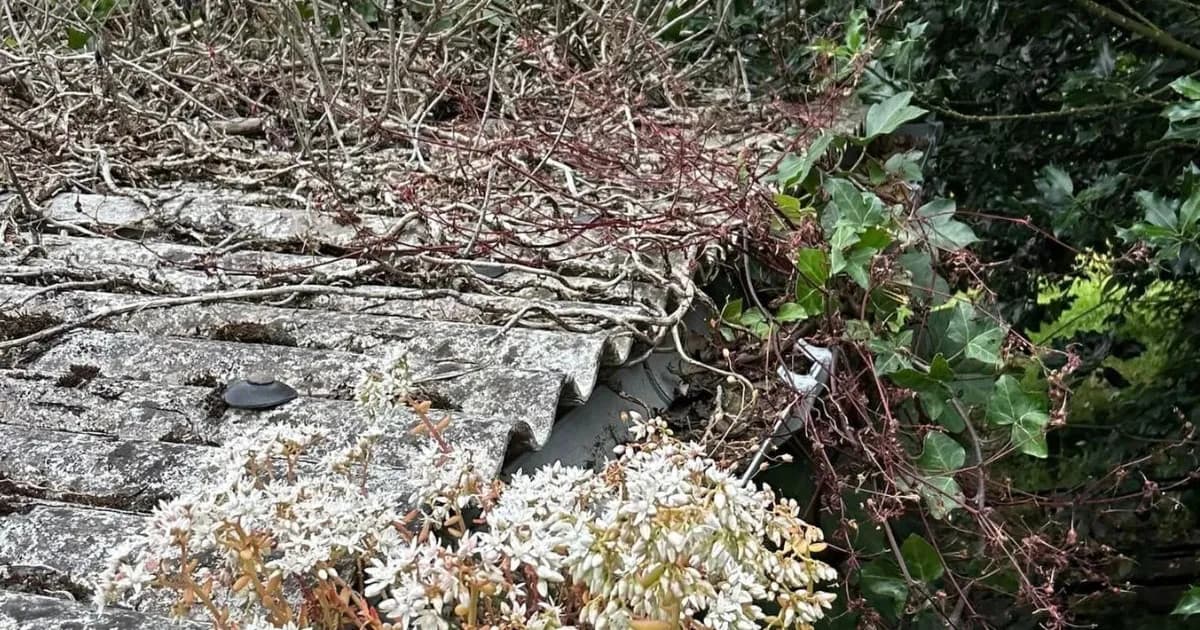
- Plants or weeds growing from gutters
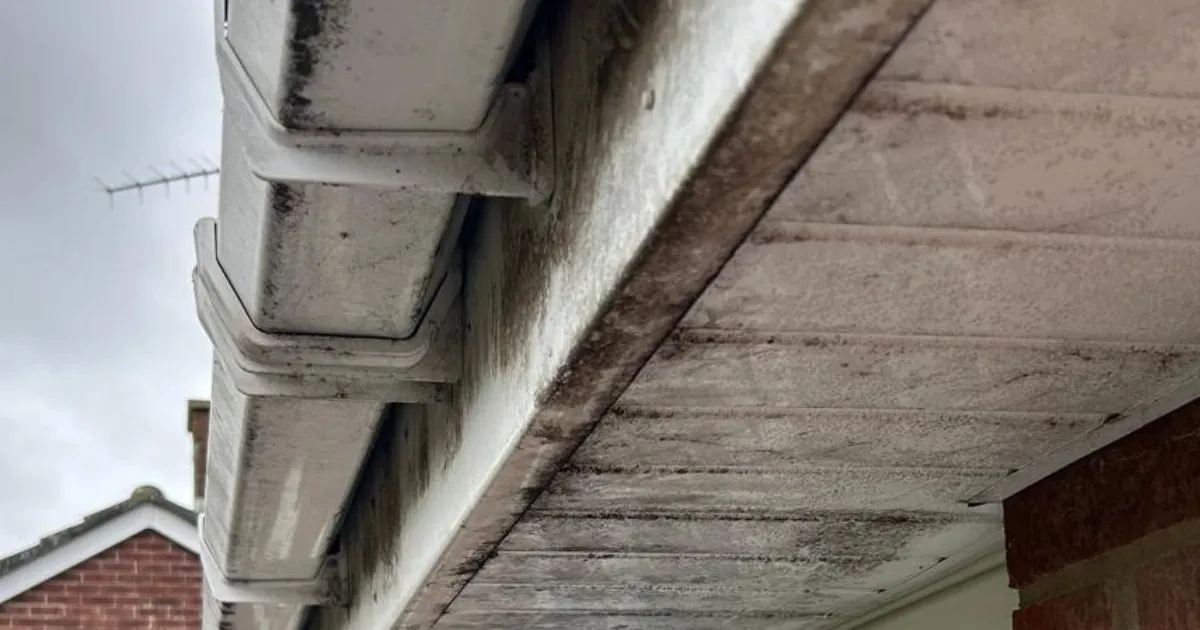
- Staining on exterior walls below gutter level
- Water pooling around foundations
- Internal damp patches on ceilings or walls
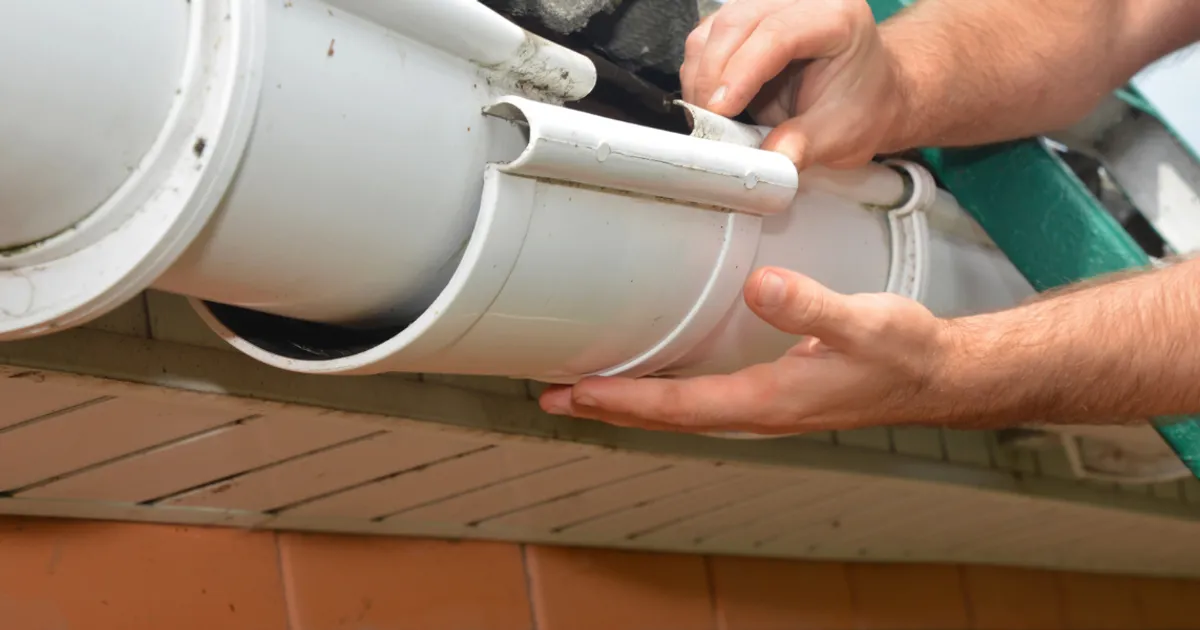
Properties built before 1990 often have cast iron guttering, which is particularly susceptible to rust and blockages if not maintained regularly. Modern uPVC systems are more forgiving but still require consistent clearing to function effectively. Regular professional gutter cleaning not only prevents blockages but also allows for early detection of wear, damage, or joint failures that might require gutter repair before they escalate into more serious problems.
Pressure Washing: Restoring Surfaces and Preventing Deterioration
Driveways, patios, pathways, and building exteriors accumulate algae, moss, and grime throughout the year. In Yeovil's relatively mild, damp climate, these organic materials thrive, creating slippery surfaces and gradually degrading materials—a particular concern for the Ham stone and local limestone commonly used in Somerset properties.
Recommended frequency for exterior cleaning Yeovil properties:
Residential properties:
- Driveways and patios: Once or twice annually, with spring being ideal timing before summer entertaining season
- Pathways and steps: Twice yearly, prioritising autumn to remove slippery moss before wet winter months
- Rendered or painted walls: Annually to prevent green algae staining
- Decking: Twice yearly (spring and autumn) to prevent moss build-up and wood deterioration
Commercial properties:
- Car parks and walkways: 2-3 times per year for safety and professional appearance
- Building facades: Bi-annually for customer-facing premises
- Loading bays and service areas: Quarterly for health and safety compliance
Block paving, particularly popular in newer Yeovil developments around Lyde Road, Brimsmore, and the Copse Road area, benefits from annual pressure washing followed by re-sanding to maintain structural integrity and prevent weed growth. The jointing sand in block paving helps lock the blocks together; when weeds establish and this sand is displaced, the entire surface can become unstable, requiring expensive re-laying.
The increased rainfall we experience from October through March means algae and moss growth accelerates during these months. Scheduling pressure washing in early spring removes winter accumulation before it becomes more established, whilst an autumn clean prepares surfaces for the wetter months ahead and addresses the slippery conditions that can pose significant safety risks.
Surface-specific considerations:
Natural stone and Ham stone, prevalent in older Yeovil properties, require specialist low-pressure cleaning techniques to avoid surface damage. The wrong pressure setting or cleaning angle can strip away the stone's natural patina or cause pitting that accelerates weathering.
Tarmac driveways should be pressure washed more gently than concrete, and benefit from sealing every few years after cleaning to prolong their lifespan and improve appearance.
Wooden decking requires particular care—pressure that's too high can damage the timber fibres. An annual treatment with appropriate oil or stain following cleaning helps protect the wood from moisture penetration and UV damage, significantly extending its serviceable life.
Roof Cleaning and Maintenance: Protecting Your Biggest Investment
Your roof is your property's first line of defence against Somerset weather, yet it's often the most neglected aspect of exterior maintenance. Moss, lichen, and algae don't just look unsightly—they retain moisture against roof materials, leading to premature deterioration, particularly on the older stone and slate roofs common throughout Yeovil's historic areas.
Recommended schedule:
- Full roof inspection and cleaning: Every 2-3 years for most properties
- Moss-prone roofs: Annual inspection with cleaning as needed
- Older properties (pre-1950): Annual check recommended
- Properties with overhanging trees: Annual cleaning advisable
North-facing roofs and those shaded by trees accumulate moss more rapidly and may require more frequent attention. Properties in established areas like Hendford, around Ninesprings Country Park, or in the conservation area often experience more moss growth due to mature tree coverage and reduced direct sunlight.
Beyond aesthetics, regular roof maintenance prevents blocked valleys that can cause water ingress. It also extends your roof's lifespan considerably—professional cleaning is far more cost-effective than premature roof replacement. A well-maintained concrete tile roof should last 50-60 years, whilst a neglected one might require replacement after just 30 years.
Common roof types in Yeovil and their maintenance needs:
Concrete tiles (most common in post-1960s properties): Prone to moss growth, particularly in valleys and around roof penetrations. Benefit from cleaning every 2-3 years with biocide treatment to slow regrowth.
Natural slate (common in Victorian and Edwardian properties): More resistant to moss but can suffer from nail failure. Inspections should check for slipped slates alongside cleaning.
Clay tiles (found on some period properties): Generally hardwearing but can become porous with age. Gentle cleaning maintains their protective glaze.
Flat or low-pitch roofs (common on extensions and commercial buildings): Require more frequent inspection—at least annually—as drainage is critical and moss can quickly block outlets.
Professional roof cleaning typically involves careful manual removal of heavy moss growth followed by low-pressure washing and biocide application. Avoid high-pressure washing, which can damage tiles, force water under slates, or strip protective coatings. Reputable exterior cleaning companies in Yeovil will always prioritise roof integrity over aggressive cleaning that might cause hidden damage.
Creating Your Comprehensive Seasonal Exterior Cleaning Schedule
Here's a practical annual schedule for comprehensive exterior cleaning in Yeovil, designed around Somerset's weather patterns and seasonal challenges:
Spring (March-May):
- Thorough window cleaning after winter weather to remove salt deposits and grime
- Complete gutter clearing of spring debris, seed pods, and nesting materials
- Pressure wash driveways, patios, and paths to remove winter algae growth
- Roof inspection and cleaning if needed, before summer growth period
- Check and clean conservatory roofs and guttering
- Fascia and soffit cleaning to remove winter staining
Early Summer (June-July):
- Regular window cleaning maintenance (4-8 week cycle)
- Mid-year gutter check, particularly after May and June storms
- Building facade cleaning for commercial properties ahead of peak trading season
- Garden furniture and outdoor entertaining areas pressure washed
Late Summer (August):
- Window cleaning to remove pollen and agricultural dust
- Pre-autumn gutter inspection to ensure systems are clear before leaf fall
- Driveway and pathway touch-ups if needed for late summer events
Autumn (September-November):
- Intensive gutter cleaning (essential—this is your most important annual clean)
- Final pressure washing of hard surfaces before winter
- Window cleaning before darker months reduce natural light
- Decking treatment and sealing after cleaning
- Commercial property deep clean before festive period
- Clear leaves from flat roofs and valley gutters weekly during peak leaf fall
Winter (December-February):
- Maintain regular window cleaning to maximise limited daylight
- Post-storm gutter checks, particularly after high winds
- Monitor and clear any ice dam formation in gutters during cold snaps
- Plan and book spring deep-clean services to secure preferred dates
Special Considerations for Different Property Types
Period properties in conservation areas:
Yeovil's conservation area around the town centre contains numerous listed and period properties requiring sensitive cleaning approaches. Ham stone, natural slate, and original sash windows need specialist knowledge to clean without causing damage. Always use experienced professionals who understand heritage property maintenance and can provide references for similar work.
Modern builds and new developments:
Properties in newer developments around Lufton, Lyde Road, and Brimsmore often feature render finishes, large glass expanses, and modern uPVC components. These materials benefit from regular cleaning but are generally more forgiving of minor maintenance delays. However, render can stain permanently if algae is allowed to establish for multiple years, so don't become complacent.
Commercial and retail premises:
Customer-facing businesses require more frequent exterior cleaning to maintain professional appearances. Window cleaning should typically occur weekly or fortnightly, with quarterly deep cleans of entrances, signage, and facades. Regular maintenance demonstrates attention to detail and pride in your business, directly influencing customer perceptions and footfall.
Rural properties and farms:
Properties on Yeovil's outskirts or in surrounding villages face additional challenges from agricultural dust, pollen, and potentially farm runoff affecting driveways and paths. More frequent cleaning may be necessary, particularly during planting and harvesting seasons. However, these properties often benefit from better natural drainage and more space for water management.
The Cost of Neglect: What Happens When Exterior Cleaning Is Delayed
Delaying exterior cleaning might seem like a money-saving strategy, but it's often false economy. Understanding the true cost of neglect helps put regular maintenance into perspective:
Blocked gutters: Can cause damp penetration requiring thousands in remedial work, including replastering, timber replacement, and potential foundation underpinning if water undermines footings. Insurance companies may refuse damp-related claims if negligent maintenance is evident.
Moss-covered roofs: Deteriorate significantly faster than maintained roofs. Moss roots can lift tiles, allowing water ingress that rots battens and rafters. What starts as a £300 roof cleaning job can become a £15,000+ roof replacement if neglected for years.
Dirty windows: Beyond aesthetics, prolonged exposure to pollutants can actually etch glass, creating permanent damage that requires replacement. Hard water deposits become increasingly difficult to remove over time, eventually requiring specialist restoration.
Stained render and masonry: Algae and pollution staining can become permanent if left for multiple years, requiring expensive paint or render renewal rather than simple cleaning.
Neglected driveways and paths: Moss and algae create slip hazards, potentially exposing you to liability if visitors are injured. Weed growth in block paving displaces jointing sand, leading to surface instability and costly re-laying.
Deteriorating decking: Moisture penetration in unprotected wood leads to rot, splintering, and eventual structural failure. Annual cleaning and treatment costing £200-300 can prevent replacement costs of £3,000-5,000 within a decade.
Regular maintenance through professional exterior cleaning in Yeovil protects your investment and actually saves money over time by preventing major repairs and extending the lifespan of exterior materials significantly.
Choosing the Right Service Provider for Exterior Cleaning in Yeovil
Not all cleaning companies offer the same quality or expertise. When selecting a provider for exterior cleaning in Yeovil, consider:
Insurance and accreditation: Ensure full public liability insurance and, for roof work, working at height certification. Reputable companies will readily provide proof.
Local knowledge: Companies familiar with Yeovil's specific challenges—local stone types, prevalent building styles, weather patterns—deliver better results with less risk of damage.
Equipment and techniques: Modern purified water systems for windows, appropriate pressure settings for different surfaces, and eco-friendly cleaning solutions indicate a professional operation.
Experience with your property type: Period properties, modern renders, natural stone, and different roof types all require specific expertise.
References and reviews: Look for established companies with verifiable local reviews and the ability to provide references for similar properties.
Comprehensive services: Providers offering multiple services (windows, gutters, pressure washing, roofs) can create coordinated maintenance schedules and often provide better value.
Environmental Considerations for Responsible Exterior Cleaning
Responsible exterior cleaning in Yeovil should consider environmental impact:
Water usage: Professional window cleaners using purified water systems often use less water than DIY cleaning while achieving better results. Pressure washing should be planned to avoid runoff into drains during pollution-sensitive periods.
Cleaning chemicals: Many modern cleaning companies use biodegradable, environmentally friendly products that are equally effective without harming local waterways. The River Yeo and its tributaries are important ecosystems deserving protection.
Waste disposal: Responsible companies properly dispose of gutter clearings, moss, and waste water rather than allowing them to enter storm drains or local watercourses.
Wildlife consideration: G