Complete Guide to Gutter Replacement in Yeovil: When, Why & How Much
Your gutters play a vital role in protecting your Yeovil home from water damage, directing rainwater safely away from your roof, walls, and foundations. Whilst regular cleaning and minor repairs can extend their lifespan, there comes a time when full gutter replacement is the only sensible option. For homeowners in Yeovil and across Somerset, understanding when that time has arrived—and how to navigate the replacement process—can save significant money and prevent costly structural damage.
This comprehensive guide explores everything you need to know about gutter replacement in Yeovil, from recognising the warning signs to selecting materials, understanding realistic costs, and choosing a reliable installer for your Somerset property.
When Repair Isn't Enough: Understanding the Limits of Gutter Repairs
Many Yeovil homeowners understandably want to avoid the expense of complete gutter replacement, opting instead for repairs. However, there's a crucial threshold where repairs become a false economy that ultimately costs more.
Minor issues like isolated leaks, loose brackets, or blocked downpipes can typically be repaired cost-effectively. A professional gutter repair service can reseal joints, replace individual sections, or reattach brackets for a fraction of replacement costs. But when damage is widespread—affecting multiple sections of your gutter system—repairs often amount to little more than a temporary fix. You might find yourself calling out professionals repeatedly, with costs mounting whilst the underlying problems persist.
Somerset's weather doesn't help matters. Our wet winters, combined with occasional severe storms rolling in from the Bristol Channel, put particular strain on ageing guttering systems. Yeovil receives approximately 800-900mm of rainfall annually, meaning your gutters work hard throughout most of the year. Add in the freeze-thaw cycles we experience during colder months, and you have a perfect recipe for accelerated gutter deterioration.
The moisture retention typical of Somerset's clay-rich soils also means that guttering failures have more severe consequences here than in drier regions. Water overflow quickly saturates ground near foundations, potentially causing subsidence issues—particularly relevant for Yeovil's older properties built on the area's Jurassic limestone and clay substrates.
If your gutters are over 20 years old, made from outdated materials, showing widespread rust or corrosion, or have required multiple repairs in recent years, replacement is almost always the wiser choice. Think of it this way: repairing a failing gutter system is like repeatedly patching a worn-out tyre—eventually, you need to invest in a new one for safety and reliability.
Clear Signs You Need Full Gutter Replacement in Yeovil
Recognising when your gutters have reached the end of their serviceable life can prevent extensive water damage to your property. Here are the telltale signs that it's time to consider gutter replacement in Yeovil:
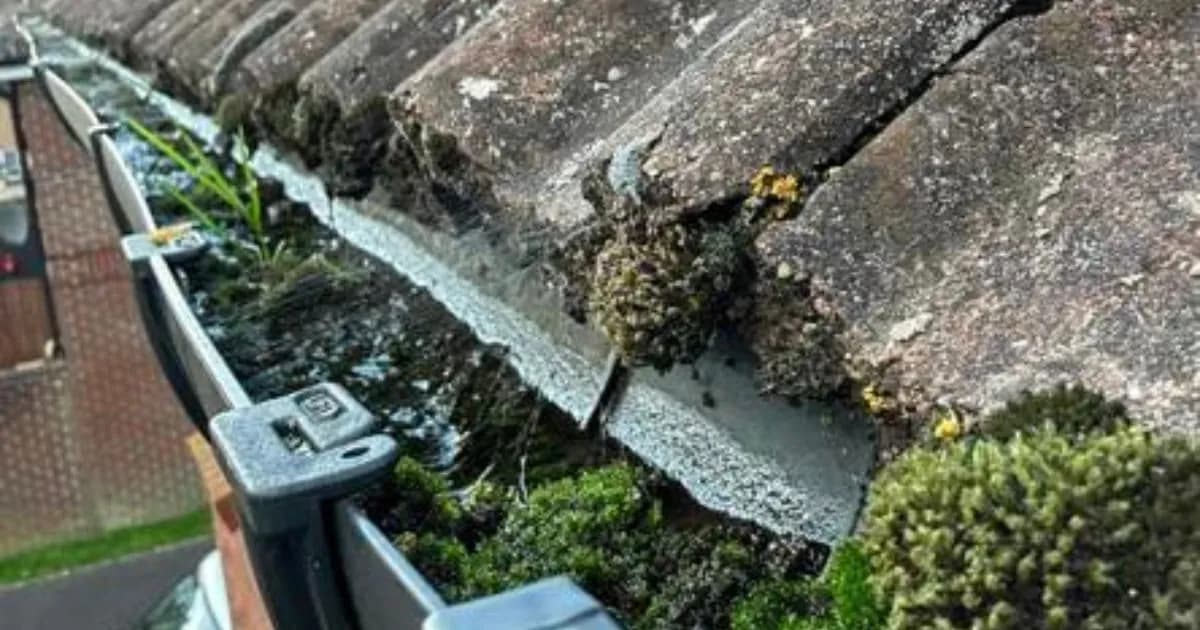
Visible cracks and splits: Small hairline cracks might be repairable with sealant, but multiple splits—particularly at the seams or corners—indicate systemic failure. During Yeovil's frequent rainfall, even small cracks can channel significant water volumes directly onto your walls and foundations. If you can see daylight through your gutters, or notice water trickling through during rain, replacement is overdue.
Sagging or pulling away from the roofline: If sections of gutter are visibly drooping or separating from the fascia board, the mounting system has likely failed. This often indicates that the fascia itself may have suffered water damage and might require replacement alongside the gutters. Sagging gutters cannot maintain proper fall, causing water to pool and overflow rather than flowing to downpipes.
Peeling paint or widespread rust: For older metal gutters common in Yeovil's Victorian and Edwardian properties, widespread rust or peeling paint suggests the protective coating has failed. Once rust takes hold, it spreads rapidly, compromising structural integrity. You might notice orange staining on walls below rusted areas—a sign that corrosion is actively damaging your property.
Water damage around your home: Staining on exterior walls, pooling water near foundations, or damp patches in your basement all point to gutters that aren't doing their job. In Yeovil's older properties, look for telltale signs like eroded pointing in brickwork, green algae growth on walls, or settlement cracks that might indicate foundation water damage.
Multiple previous repairs: If you've had several sections repaired over recent years, you're likely spending good money after bad. Full replacement provides a fresh start with comprehensive warranty protection. Keep track of repair costs—if they're approaching 40-50% of replacement costs, it's time to upgrade.
Mould or mildew growth: Persistent moisture from failing gutters creates ideal conditions for mould, particularly problematic in Somerset's relatively humid climate. Check for black or green growth on walls near gutter lines, or musty smells in upper-floor rooms adjacent to failing guttering.
Separated gutter joints: uPVC gutters rely on rubber seals at joints. Over time, these degrade and leak. Whilst individual seals can be replaced, if multiple joints are failing, the entire system may have reached the end of its design life.
Choosing the Right Gutter Materials for Your Yeovil Property
Modern gutter replacement offers several material options, each with distinct advantages for Yeovil homes. Your choice should balance budget, property style, local planning requirements, and expected lifespan.
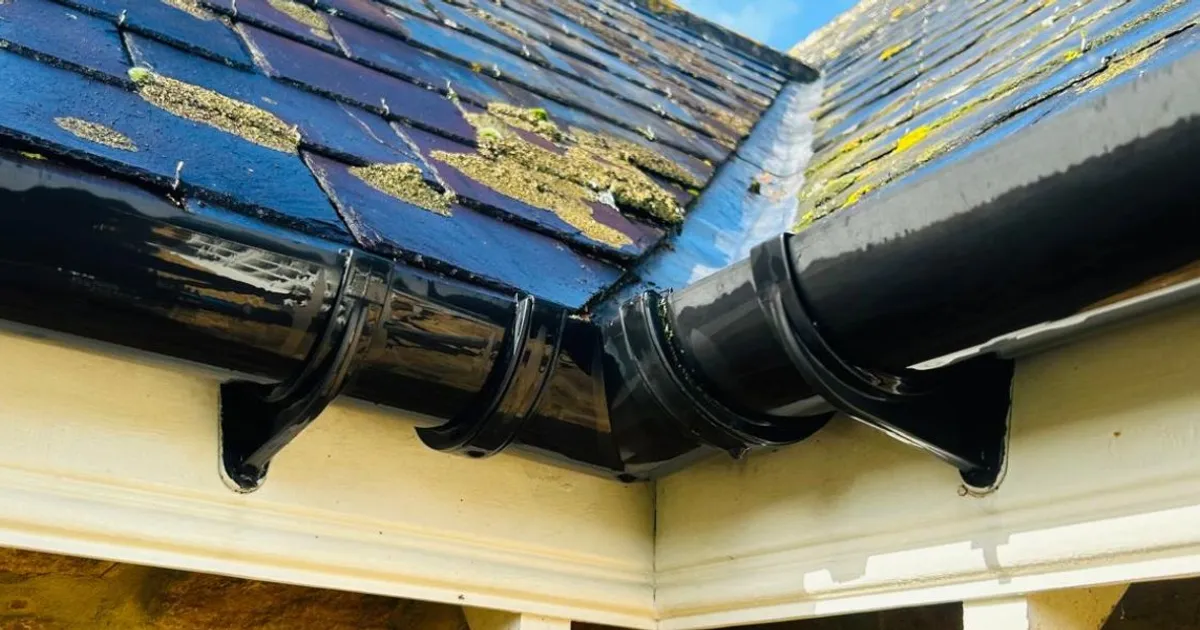
uPVC guttering has become the standard choice for residential properties across Somerset. It's affordable, lightweight, requires minimal maintenance, and resists rust and corrosion. uPVC performs admirably in our climate, withstanding Somerset's wet winters and occasional summer temperature extremes. It typically comes with colour options including black, white, brown, and grey to complement different property styles—important for Yeovil's mix of period cottages, inter-war semis, and modern developments.
Modern uPVC systems feature improved UV stabilisation compared to older versions, preventing the brittleness and discolouration that plagued earlier installations. Quality uPVC guttering should last 25-30 years with minimal maintenance. Look for systems with deep-flow profiles if your roof area is large or particularly exposed to weather—common for properties on Yeovil's higher ground around Summerhouse Hill or Penn Hill.
Aluminium guttering offers excellent durability without the weight of traditional materials. It won't rust and can be powder-coated in virtually any colour to match your property perfectly. Whilst more expensive than uPVC, aluminium gutters can last 30+ years with proper maintenance. They're particularly suitable for larger homes or properties with architectural features that benefit from seamless installations.
Aluminium's strength makes it ideal for properties with large roof areas or those exposed to severe weather—relevant if you live in more rural areas around Yeovil like Barwick or Lufton. The material also performs exceptionally well in coastal Somerset locations that experience salt-laden air.
Cast iron guttering remains the preferred choice for period properties, particularly in Yeovil's conservation areas and for listed buildings. If you own a Victorian or Edwardian home in areas like The Park or Hendford, matching original materials maintains character and may be required for planning compliance.
Cast iron requires regular painting to prevent rust, but properly maintained systems can last 50+ years. Modern cast iron comes pre-treated and primed, making maintenance easier than historical installations. Specialist suppliers can match historical profiles exactly, ensuring sympathetic restoration.
Copper guttering represents the premium option, developing an attractive verdigris patina over time. Though expensive initially—typically 3-4 times the cost of uPVC—copper gutters can last over 50 years and add distinctive character to high-end properties. Copper is self-healing to minor scratches and requires virtually no maintenance.
For most Yeovil homeowners, uPVC offers the best balance of performance, longevity, and value. However, for period properties or homes in conservation areas, investing in appropriate traditional materials protects property value and maintains Yeovil's architectural heritage.
Understanding Gutter Replacement Costs in Yeovil
Gutter replacement costs vary considerably depending on your property size, material choice, access requirements, and installation complexity. Understanding typical pricing helps you budget appropriately and recognise unrealistic quotes.
For a typical Yeovil semi-detached home with approximately 10-12 metres of guttering, expect to pay £450-£850 for complete uPVC gutter replacement in 2026, including removal of old gutters, disposal, and installation of new downpipes and fittings. Larger detached properties with 15-20 metres of guttering might range from £900-£1,600.
Terraced properties often cost slightly less (£400-£700) due to sharing party walls, whilst bungalows with larger roof areas but simpler access might fall in the £500-£900 range.
Aluminium systems typically cost 25-45% more than equivalent uPVC installations, so budget £600-£1,200 for a semi-detached home. Cast iron or copper can be two to three times the price of standard uPVC guttering, with semi-detached properties costing £1,500-£2,500 for cast iron and £2,000-£4,000+ for copper installations.
Additional factors affecting cost include:
Fascia board condition: Damaged fascias require repair or replacement before new gutters can be fitted securely. Budget an additional £30-£50 per metre for fascia replacement. This is particularly common in Yeovil's older properties where fascias may have suffered years of water damage from failing gutters.
Property height: Two-storey homes require additional scaffolding or tower access equipment, adding £200-£500 to costs depending on property size and access. Bungalows with low rooflines often incur minimal access costs.
Architectural complexity: Bay windows, conservatories, porches, and complex rooflines increase installation time and material waste. Properties with multiple gables or L-shaped layouts require additional corners, stop ends, and outlets, each adding to costs.
Downpipe routing: Relocating downpipes to improve drainage or connect to soakaways adds £80-£150 per downpipe. However, this investment often proves worthwhile, particularly in Yeovil's clay soil areas where proper drainage prevents garden waterlogging and foundation issues.
Soffits and fascia cleaning or painting: Many homeowners combine gutter replacement with fascia cleaning or repainting for a complete roofline refresh. Budget £150-£400 for professional cleaning or £400-£800 for repainting fascias and soffits on a typical home.
Obtain at least three detailed written quotes from reputable Yeovil installers to ensure fair pricing. Quotes should itemise materials, labour, scaffolding, disposal, and any additional work required. Be cautious of quotes significantly below market rates—they often indicate poor-quality materials, inadequate insurance, or corners being cut.
What to Expect During Gutter Replacement Installation
Understanding the installation process helps you prepare your property and know what to expect during gutter replacement in Yeovil.
Initial survey and quote: A reputable installer will conduct a thorough survey, measuring your roofline, assessing fascia condition, checking roof pitch and area, and discussing material options. They should provide a detailed written quote valid for 30-60 days.
Scheduling: Most gutter replacement projects in Yeovil are scheduled 2-6 weeks ahead, depending on the installer's workload and weather forecasts. Avoid installers who can start immediately unless you've caught a cancellation—busy professionals typically have scheduled work.
Duration: A typical semi-detached house takes 1-2 days for complete gutter replacement. Larger properties or complex installations may require 2-3 days. Bungalows often complete in a single day.
Access setup: Installers will erect scaffolding or towers around your roofline. Ensure vehicles can be moved from driveways and that gates or side access is available. Inform neighbours if scaffolding will overhang property boundaries.
Removal: Old guttering is carefully removed, with installers checking for fascia damage underneath. Damaged sections are noted for repair or replacement. Removal typically takes 2-4 hours depending on property size and how gutters are fixed.
Fascia repairs: Any rotten or damaged fascia boards are replaced before new gutters are fitted. This crucial step ensures secure mounting and prevents future problems.
Installation: New gutters are installed with appropriate fall (typically 1:350 slope) toward downpipes. Professional installers ensure joints are properly sealed, brackets are securely fixed at recommended intervals (usually 800mm-1m), and corners are correctly angled.
Downpipe installation: Downpipes are fitted with adequate clips and positioned to discharge into drains, soakaways, or appropriate drainage points. Building regulations require downpipes don't discharge onto neighbouring property or public footpaths.
Testing: Quality installers will test the system by running water through gutters to verify proper flow and check for leaks at joints.
Cleanup and disposal: All old materials should be removed from site and disposed of appropriately. Your property should be left clean and tidy.
Final inspection and payment: Walk around your property with the installer to inspect the completed work before final payment. Reputable professionals welcome this inspection and will address any concerns immediately.
Gutter Replacement and Planning Regulations in Yeovil
Most gutter replacement projects in Yeovil don't require planning permission as they constitute maintenance and like-for-like replacement. However, there are important exceptions:
Listed buildings: Any external changes to listed buildings require Listed Building Consent from South Somerset District Council. This includes gutter replacement, even if using identical materials. Applications typically take 8-13 weeks, so plan accordingly.
Conservation areas: Yeovil has several conservation areas including Hendford and The Park. Whilst like-for-like gutter replacement doesn't usually require consent, changing materials (such as replacing cast iron with uPVC) may need permission. Consult the conservation officer before proceeding with material changes.
Building regulations: New gutter installations must comply with Building Regulations, particularly regarding drainage. Downpipes must connect to adequate drainage systems—either mains drainage or properly constructed soakaways. In Yeovil's clay soil areas, soakaways require careful design to function effectively.
Permitted development: If your property has had permitted development rights removed (common in conservation areas), you may need permission for any external changes. Check with South Somerset District Council if uncertain.
Professional installers familiar with Yeovil and Somerset regulations can advise on compliance requirements for your specific property and circumstances.
How to Choose the Right Gutter Replacement Installer in Yeovil
Selecting the right professional for gutter replacement in Yeovil requires careful consideration. The quality of installation significantly affects system longevity and performance, so thorough vetting is essential.
Check credentials and insurance: Ensure your installer carries comprehensive public liability insurance (minimum £2 million, preferably £5 million) and has relevant trade certifications. For work on period properties, look for experience with traditional materials and conservation requirements. Check registration with professional bodies like the Confederation of Roofing Contractors (CORC) or Competent Roofer scheme.
Request local references: Ask for examples of recent work in Yeovil or nearby Somerset towns like Sherborne, Crewkerne, or Martock. A reputable installer should happily provide references you can contact. Better still, ask if you can view completed installations in person—quality installers are proud to showcase their work.
Verify guarantees: Quality installers offer warranties on both materials and workmanship—typically 10+ years for uPVC systems, often 15-20 years for premium installations. Ensure guarantees are provided in writing and understand what they cover. Insurance-backed guarantees protect you if the installer ceases trading.
Assess their knowledge: A professional installer should discuss drainage strategy, not just gutter installation. They should identify potential issues like inadequate fall, poorly positioned downpipes, insufficient gutter capacity for roof area, or drainage problems. They should ask about existing issues like overflow, dampness, or basement flooding.
Consider comprehensive service providers: Companies offering both gutter cleaning and gutter replacement services, like Diamond Vision Cleaning, understand gutter systems thoroughly and can provide ongoing maintenance after installation. This continuity of service ensures your investment is protected long-term.
Review their process: Professional installers will conduct thorough site surveys, provide detailed written quotes, discuss material options and their suitability for your property, explain the installation process and timescale, and obtain necessary permissions for conservation area or listed building work.
Check reviews and reputation: Search online reviews on Google,