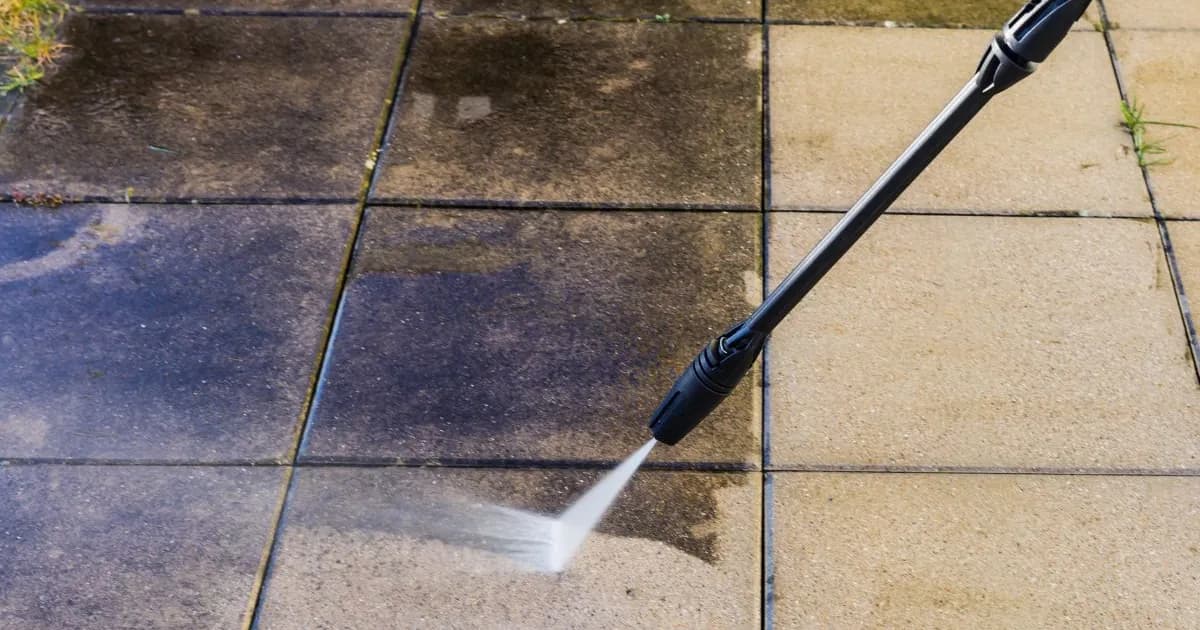
The Complete Guide to Patio Resanding in Yeovil: Restoring Block Paving and Paving Slabs After Pressure Washing
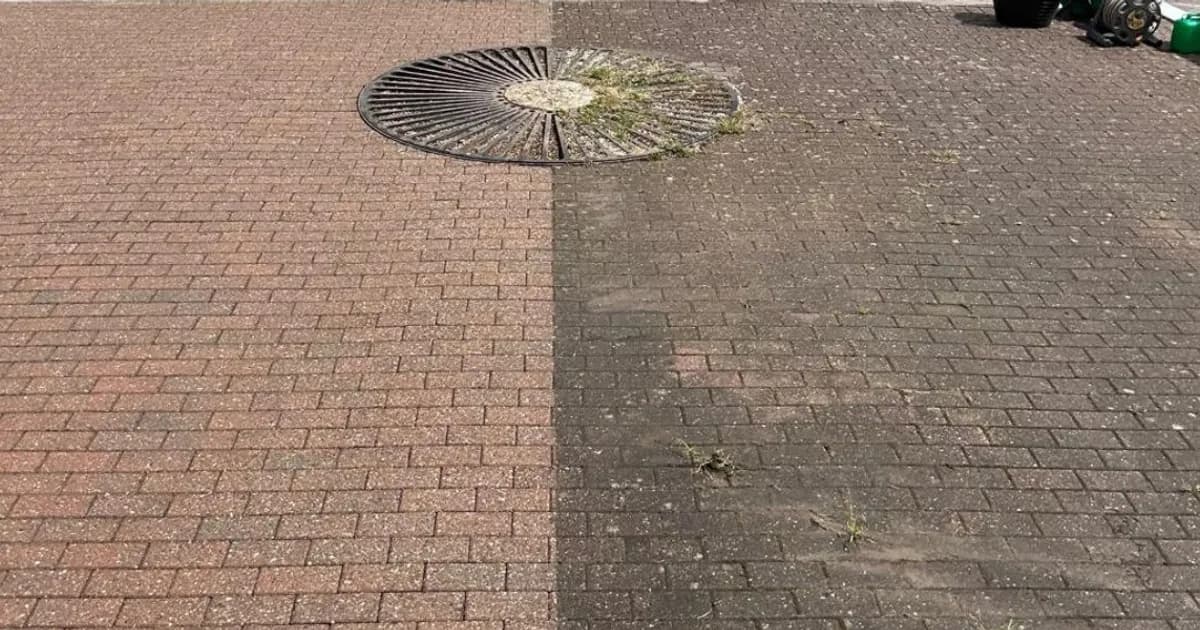
If you've recently had your patio pressure washed in Yeovil, you might have noticed that whilst the slabs or block paving look beautifully clean, there's now considerably less sand between the joints. This is where professional patio resanding becomes essential—and it's a service that many Somerset homeowners overlook until problems start to develop.
At Diamond Vision Cleaning, we've restored countless patios across Yeovil, Sherborne, and the surrounding Somerset villages, and we've seen firsthand how proper resanding transforms not just the appearance of your outdoor space, but its longevity too.
What Is Patio Resanding and Why Does It Matter?
Patio resanding is the process of refilling the joints between block paving or paving slabs with kiln-dried sand or specialist jointing compound. These joints serve several crucial purposes:
Structural stability: The sand locks individual blocks or slabs in place, preventing movement and shifting that can lead to an uneven surface—particularly important given our Somerset clay soil that expands and contracts with the seasons.
Weed prevention: Properly filled joints create a barrier that prevents weed seeds from taking root between your pavers, keeping your patio looking pristine throughout the year.
Water drainage: Correctly applied jointing sand allows water to drain through your patio surface whilst preventing erosion of the base materials beneath.
Aesthetic finish: Resanding gives your patio that professional, completed look that makes your Yeovil garden the envy of the neighbourhood.
Why Pressure Washing Removes Joint Sand
When we pressure wash patios in Yeovil, one of the most common questions we receive is: "Why has so much sand disappeared?" The answer is simple—that's exactly what should happen during a thorough clean.
Over the years, the original jointing sand becomes contaminated with dirt, moss spores, algae, and organic matter. This degraded material needs to be removed to truly clean your patio. Professional pressure washing not only cleans the surface of your pavers but also flushes out this contaminated sand from the joints.
This is why any reputable exterior cleaning company in Somerset will always recommend resanding as part of a complete patio restoration service. Pressure washing without resanding leaves your patio vulnerable and incomplete.
The Patio Resanding Process: What to Expect
Understanding what happens during professional patio resanding in Yeovil helps you appreciate the skill and attention to detail involved:
Drying Period
After pressure washing, your patio must be completely dry before resanding can begin. In Yeovil's climate, this typically takes 2-3 days of dry weather, though it can be longer during our notoriously damp Somerset winters. Patience here is crucial—applying sand to damp pavers leads to poor results and wasted materials.
Surface Preparation
Before resanding begins, we check that all joints are clear of debris and that any remaining contaminated sand has been removed. This ensures the new jointing material can settle properly and perform its protective function.
Sand Application
Kiln-dried jointing sand is spread across the patio surface and worked into the joints using specialist brushes. This process is repeated several times to ensure joints are filled to the optimal depth—typically leaving 3-5mm below the paver surface to allow for settlement.
The type of sand matters enormously. We use premium kiln-dried sand specifically designed for patio jointing, which compacts better and lasts longer than standard building sand.
Compaction and Finishing
Once joints are filled, the surface is swept clean and the sand is compacted into the joints. This might involve light vibration or simply brushing the sand thoroughly to ensure it settles into every gap.
Block Paving vs. Paving Slabs: Different Approaches
Whilst the principles of resanding remain the same, block paving and paving slabs require slightly different approaches:
Block paving typically has narrower, more uniform joints and benefits from polymeric sand, which hardens when moistened to create an even more stable, weed-resistant finish. This is particularly popular for driveways in Yeovil but works beautifully for patios too.
Paving slabs often have wider, more irregular joints. Traditional kiln-dried sand works well here, though some homeowners opt for resin-based jointing compounds for a more permanent solution.
When to Consider Sealing After Resanding
Many Yeovil homeowners ask us about patio sealing following resanding. A quality sealant applied after resanding offers several benefits:
- Locks the jointing sand in place for longer-lasting results
- Enhances the colour of your pavers, bringing out their natural beauty
- Provides additional protection against staining, moss, and algae growth
- Makes future cleaning easier and less frequent
For Indian sandstone, limestone, and other natural stone patios popular in Somerset gardens, sealing is particularly beneficial and can extend the time between professional cleans.
How Often Should Patios Be Resanded in Yeovil?
The frequency of resanding depends on several factors:
- Usage: High-traffic areas lose sand faster than lightly used spaces
- Weather exposure: Patios in exposed positions across the Somerset Levels face more weather-related erosion
- Original installation quality: Well-installed patios with proper sub-bases retain sand better
- Maintenance: Regular sweeping and weed removal extends the life of jointing sand
Generally, we recommend inspecting your patio joints annually and considering professional resanding every 2-3 years, or following pressure washing.
DIY vs. Professional Patio Resanding
Whilst resanding might seem straightforward, professional service ensures:
- Use of the correct sand type and quality for your specific paving
- Proper drying time assessment before application
- Even distribution and optimal joint filling
- Coordinated service with pressure washing for complete restoration
- Guaranteed results that last
For Yeovil homeowners tackling smaller areas, DIY resanding is possible, but for larger patios or block paving driveways, professional service provides far superior and longer-lasting results.
Restore Your Yeovil Patio to Its Former Glory
A professionally pressure washed and resanded patio transforms your outdoor space, increasing your property's kerb appeal whilst protecting your investment in quality landscaping. Whether you have traditional Somerset stone, modern porcelain, or classic block paving, proper resanding is the finishing touch that makes all the difference.
At Diamond Vision Cleaning, we provide complete patio restoration services throughout Yeovil and the surrounding Somerset area, combining expert pressure washing with professional resanding for outstanding, long-lasting results.
Ready to restore your patio? Contact Diamond Vision Cleaning today for a free, no-obligation quote on patio resanding in Yeovil. Let us show you how professional exterior cleaning can transform your outdoor space and protect it for years to come. Call us or visit diamondvisioncleaning.co.uk to book your consultation.